AI-powered robots assist in IVF embryo placement, marking new frontier in fertility technology
09-Oct-2025
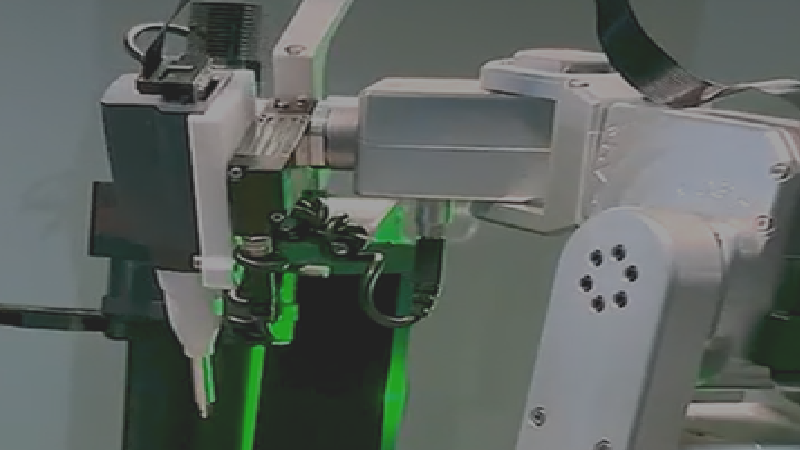
The Washington Post reports that fertility clinics are beginning to use AI-powered robots to assist doctors in one of the most delicate parts of in vitro fertilization (IVF): placing embryos into the uterus. The approach, pioneered in Spain and recently trialed in the United States, leverages computer vision and machine learning to perform the embryo transfer step with greater precision and consistency than traditional manual methods. Early data suggests the AI-guided robotic arms can match or exceed human accuracy while minimizing variability due to fatigue or subtle hand movements.
The system uses cameras and sensors to locate the optimal insertion point and gently release the embryo through a micro-catheter, guided by an AI model trained on thousands of prior IVF procedures. Doctors remain in control, but the robot executes the movement under supervision, similar to how surgical robots assist in minimally invasive operations. Proponents argue this technology could make IVF more accessible and reliable, especially in regions with shortages of reproductive specialists.
However, experts also caution that ethical and regulatory frameworks will need to evolve alongside the technology. Questions remain about accountability, informed consent, and the role of automation in reproductive medicine. Developers emphasize that the AI does not make independent medical judgments—it executes pre-approved steps with enhanced consistency. As the global IVF market grows toward an estimated $40 billion by 2030, automation and precision tools like these could reshape fertility care worldwide. Full article: AI-powered robots assist in IVF embryo placement.
 Your Personal AI