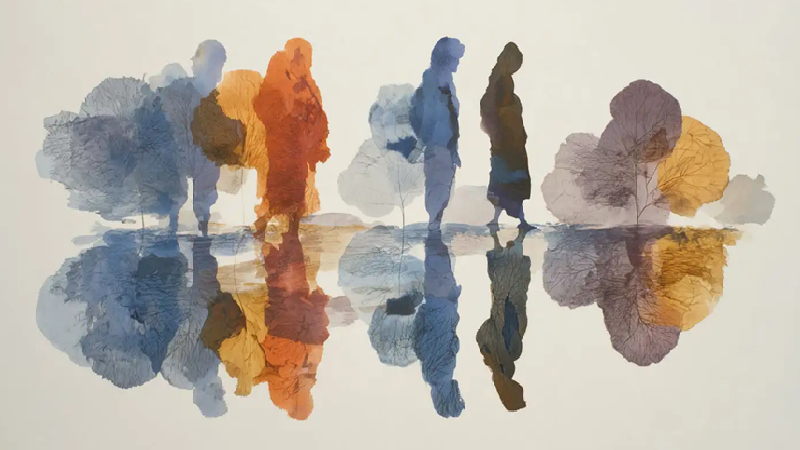
In a thought‑provoking essay titled
“Seemingly Conscious AI is Coming”, Inflection AI co‑founder and current Microsoft executive Mustafa Suleyman explores one of the most debated frontiers in artificial intelligence: the possibility of machines that give the strong impression of being conscious. Published in August 2025, the piece blends philosophical reflection with practical warnings about how quickly public perception, ethics, ...
Suleyman stresses that “seeming consciousness” does not mean actual sentience or subjective experience. Instead, he argues that as large‑scale models progress in multimodality, reasoning, and contextual memory, they will increasingly behave in ways that make them appear conscious to everyday users. From nuanced conversations to persistent memory of prior interactions, these systems will naturally evoke anthropomorphic responses. He notes that the human mind is predisposed to project agency and emotion on...
The essay raises deep questions: how should societies treat an AI that appears to have feelings, even if it does not? Should there be rights or protections against mistreatment, given the psychological impact on human behavior? And how might regulators craft language that draws distinctions between functional simulation of consciousness and genuine awareness, which remains unproven? Suleyman suggests that policy should start now, before public opinion and market adoption outpace ethical frameworks.
Beyond philosophy, Suleyman highlights risks in consumer trust, manipulation, and mental health. If an AI seems conscious, people may overshare, defer decisions, or form attachments that shape their worldview. For governments and enterprises, the challenge will be ensuring transparency, preserving human autonomy, and aligning design with collective values. He warns that hype cycles could exaggerate capabilities, fueling both undue optimism and fear.
Ultimately, Suleyman positions this “seeming consciousness” milestone as both inevitable and urgent. Like the arrival of smartphones or social media, once these experiences enter daily life, cultural and political systems will scramble to catch up. By sounding the alarm early, he hopes technologists, ethicists, and policymakers can collaborate on safeguards. As he frames it, the next era of AI will not just be about productivity or intelligence — it will force humanity to redefine its relationship with s...
 Your Personal AI